Addiction (1) Administrative Data Accelerator (1) Adolescents (2) African Studies (1) Aggressive Parenting (1) Aging (1) AI (1) Air Quality (1) Alaska (1) Alcohol (1) Amish (1) Anxiety (1) Arctic Research (1) Big Data (2) Biobehavioral Health (3) Biomedical Research (1) Black Families (1) Brain Development (1) Cancer (1) CCSA (1) Census (2) Center for Education and Civil Rights (1) Center for Educational Disparities (2) Child Care (2) Child Development (1) Child Maltreatment (4) Child Maltreatment Solutions Network (4) Clearinghouse for Military Family Readiness (4) Climate Change (2) Clinical and Translational Science (1) College of Education (8) College of Health and Human Development (6) College of Information Sciences and Technology (1) College of Medicine (4) College of the Liberal Arts (2) COSSA (2) COVID-19 (167) Criminal Justice (2) Criminal Justice Research Center (1) CSA (1) CSUA (1) CTSI (5) Data 4 Action (14) Data Management (1) De Jong Lecture (1) Death (1) Demography (8) Depression (2) Domestic Abuse (1) Edna Bennett Pierce Prevention Research Center (3) Education (2) EIC (7) EIC Podcast (7) Family (3) Fear (3) Food Security (3) Food Service (1) Grief (4) Gun Control (1) Health (1) Health Care (2) Health Disparities (3) Health Policy and Administration (1) Hispanic Families (2) Huck (5) Human Development and Family Studies (2) Immigration (1) Inequities (1) Insights from Experts (2) Labor Relations (2) Lecture (1) Lerner Center for Public Health Promotion Brief (1) McCourtney Institute for Democracy (1) Mental Health (3) NIH (1) Nutrition (1) Opioids (3) OSVPR (2) Parent-Child Dynamics Lab (1) Parenting (1) Penn State Cancer Institute (1) Penn State Research (3) Pennsylvania Population Network (3) Podcast (1) POLARIS (2) Population Health (3) Pregnancy (2) PRI (11) PRI Associate (3) Proposal (1) PROSPER (1) Psychology (4) Public Health Sciences (1) Public Policy (2) Racial and Ethnic Minorities (1) Racial Disparities (2) Racism (1) Research (2) Research-to-Policy Collaboration (6) Rock Ethics Institute (1) RPC (1) Rural Communities (1) Rural Health (1) Rural Sociology (1) School (1) Seed Funding (3) Siblings (1) Social Inequity (1) Social Media (1) Social Science (3) Sociology (9) Special Education (1) SSRI Affiliates (1) Stress (2) Substance Abuse (5) Substance Use (3) Twitter Data (1) Unemployment Rate (2) Veterans (3) Violence (1) Water (1) Why Social Science? (8)

Female veterans faced steeper well-being declines after COVID-19, study finds
While the COVID-19 pandemic challenged all veterans transitioning to civilian life, female post-9/11 veterans experienced a sharper decline in overall well-being compared to their male counterparts, according to new research from the Clearinghouse for Military Family Readiness at Penn State.…

Veterans’ anxiety and depression rose during, after the pandemic, study finds
Symptoms of anxiety and depression increased among post-9/11 veterans over the course of the COVID-19 pandemic, with persistent disparities tied to race, ethnicity and gender, according to researchers at Penn State. Researchers at the Clearinghouse for Military Family Readiness at Penn State(…

Project reveals pandemic perceptions in Alaskan fishing community
When the COVID-19 pandemic spread across United States in early 2020, people’s perceptions of the disease varied widely. Penn State researchers examined those perceptions in Bristol Bay, Alaska, home to the world’s largest commercial salmon fishery, and found people’s perceptions of risk due to…
Veterans of color and female veterans reported more stress during COVID-19
The COVID-19 pandemic led to illness and death, significant economic and employment problems, severe social restrictions and substantially altered family life — the effects of which researchers are beginning to understand. A recent study conducted by researchers at the Clearinghouse for Military…

Amish found to be under-vaccinated for COVID-19 but not unvaccinated
This summer, viral misinformation claimed that the Amish did not vaccinate against COVID-19 and, as a result, had a death rate 90 times lower than the rest of the United States. Now, a Penn State study is the first to provide geographically broad and population-wide evidence that while…
Researchers find social inequities tied to more severe COVID-19 symptoms
Social inequities like housing and access to health care put individuals from marginalized racial and ethnic groups with substance use disorders at greater risk for developing severe COVID-19 symptoms than white individuals with substance use disorders, according to researchers. The study findings…
New project to study impacts of eviction on health
Prior to the pandemic, many poor renter households in the U.S. spent over half their income on rent, leading to an epidemic of evictions and negative impacts on physical and mental health. A Penn State researcher will participate in a new project that will evaluate the effects of pandemic eviction-…

New grant continues Arctic research addressing climate change and communities
Climate change in the Arctic is evident as temperatures rise and Alaskan coastal Indigenous communities face severe, urgent, and complex social and infrastructural challenges. A collection of Penn State research in the region, being driven by social sciences and in collaboration with engineering…
In Rural America, Older Adult Vaccination Rates were Higher in Counties with More Aging and Disability Services
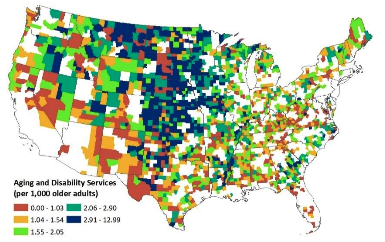
In this Lerner Center for Public Health Promotion research brief, PRI's Danielle Rhubart and Yue Sun describe how aging and disability services (ADS) played an important role for older adults in the COVID-19 vaccination rollout, including sharing information, providing transportation, and serving…
Social Support Protected Mental Health during the COVID-19 Pandemic
By Jennifer Kowalkowski and Danielle C. Rhubart, The Pennsylvania State University Social support can protect mental health from the stressors of life during times of widespread crisis, like the COVID-19 pandemic. Using data from a national survey collected in early-2021, Jennifer Kowalkowski [SMM1…
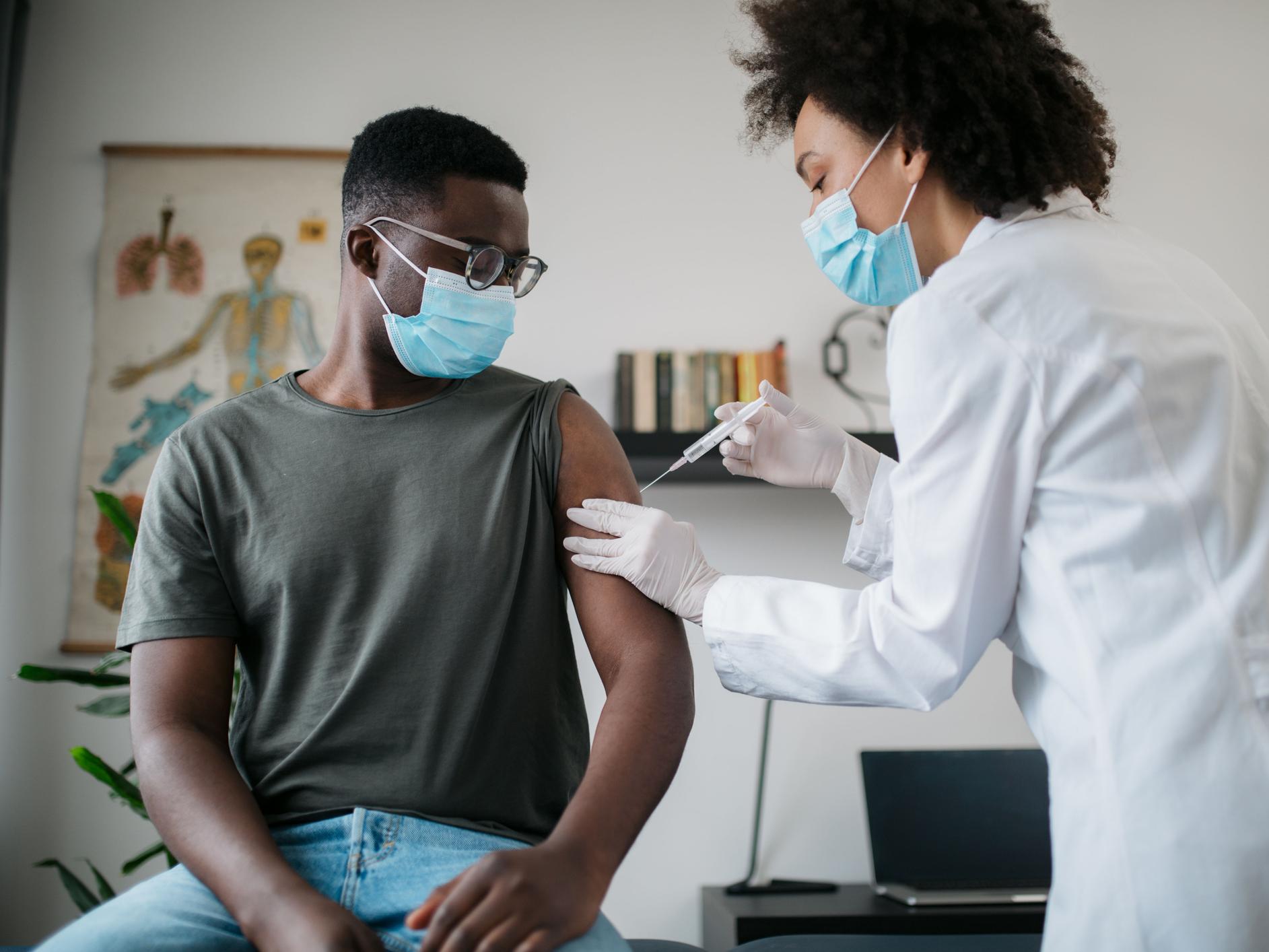
Race matters in COVID-19 vaccine hesitancy, research finds
Hispanic and Black Americans have suffered higher rates of hospitalization and death from COVID-19 than white Americans. A new Penn State study analyzed data collected when COVID-19 vaccines first became available to determine whether these racial and ethnic disparities are related to vaccine…
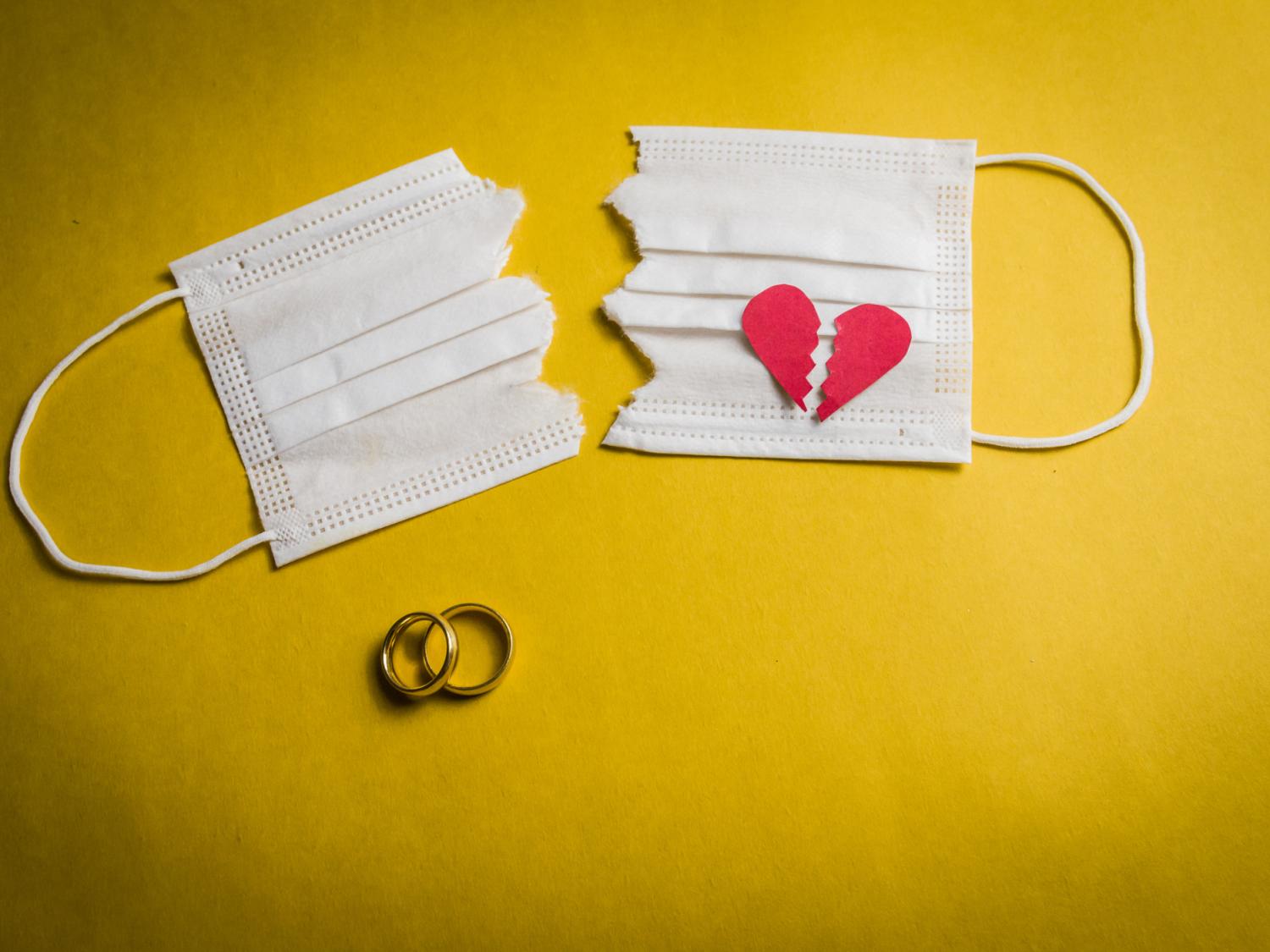
Losing spouse to COVID may be worse for mental health than other causes of death
Losing a spouse can be a devastating experience for anyone. A new study found that experiencing the death of a spouse due to COVID-19 may be worse for mental health than deaths from other causes. Penn State researchers found that while there were strong associations between the recent death of a…

1 in 8 U.S. deaths from 2020 to 2021 came from COVID-19 – leaving millions of relatives reeling from distinctly difficult grief
By Emily Smith-Greenaway, Associate Professor of Sociology, USC Dornsife College of Letters, Arts and Sciences; Ashton Verdery, Professor of Sociology, Demography and Social Data Analytics and Population Research Institute Associate, Penn State; Haowei Wang, Postdoctoral Research Associate in…
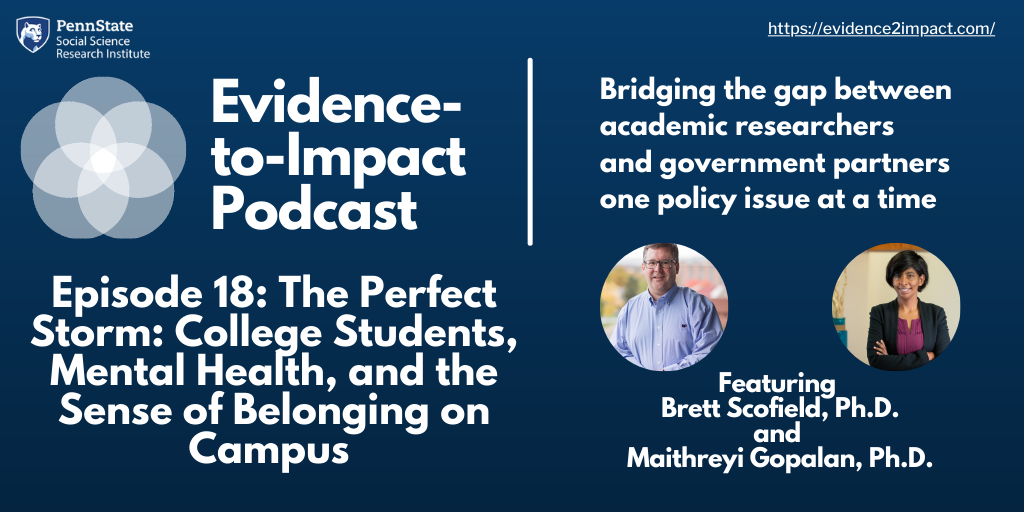
Podcast episode discusses college students and mental health
The Social Science Research Institute’s Evidence-to-Impact Podcast returns for a third season with its eighteenth episode, “The Perfect Storm: College Students, Mental Health, and the Sense of Belonging on Campus.” The podcast’s moderator, Michael Donovan, the associate director of the Evidence-to-…
Losing a grandmother may trigger rise in depression for some of her survivors
Losing a beloved family member is never easy, but a new study suggests the loss of a grandmother in particular may have repercussions for the loved ones she leaves behind. The researchers found that for up to seven years after the death of their grandmother, adolescent boys had a 50% increase in…
Sharing source-backed information can help reduce COVID-19 misinformation online
If you see fake news about COVID-19 circulating on your social media feeds, say something — if you have a reliable source to back it up. You could help other users to be less susceptible to misinformation, according to a new study by researchers at the Penn State College of Information Sciences and…
New study shows links between family dynamics and COVID-19 preventative measures
New research from Penn State suggests that supporting strong family relationships and reducing chaos at home may increase the likelihood that parents and children will engage in behaviors intended to prevent transmission of the COVID-19 virus. Researchers from the Edna Bennett Pierce Prevention…
News Topics:
COVID-19
Edna Bennett Pierce Prevention Research Center
COVID vaccine in early pregnancy not tied to birth defects
Maternal COVID-19 vaccination in early pregnancy is not associated with fetal abnormalities detectable on ultrasound, finds a study yesterday in JAMA Pediatrics. The retrospective study, conducted by Northwestern University and Penn State College of Medicine researchers, used…
News Topics:
COVID-19

What Else Could Covid Inflict on Us? Ask Australian Rabbits
By Faye Flam | Bloomberg Rabbits were the victims of the deadliest epidemic in recent history — a germ warfare attack, really — with a virus that killed off more than 99% of the 100 million rabbits inhabiting Australia in 1950. However, the virus didn’t “win” — both the virus and the rabbits…
News Topics:
COVID-19
Data 4 Action
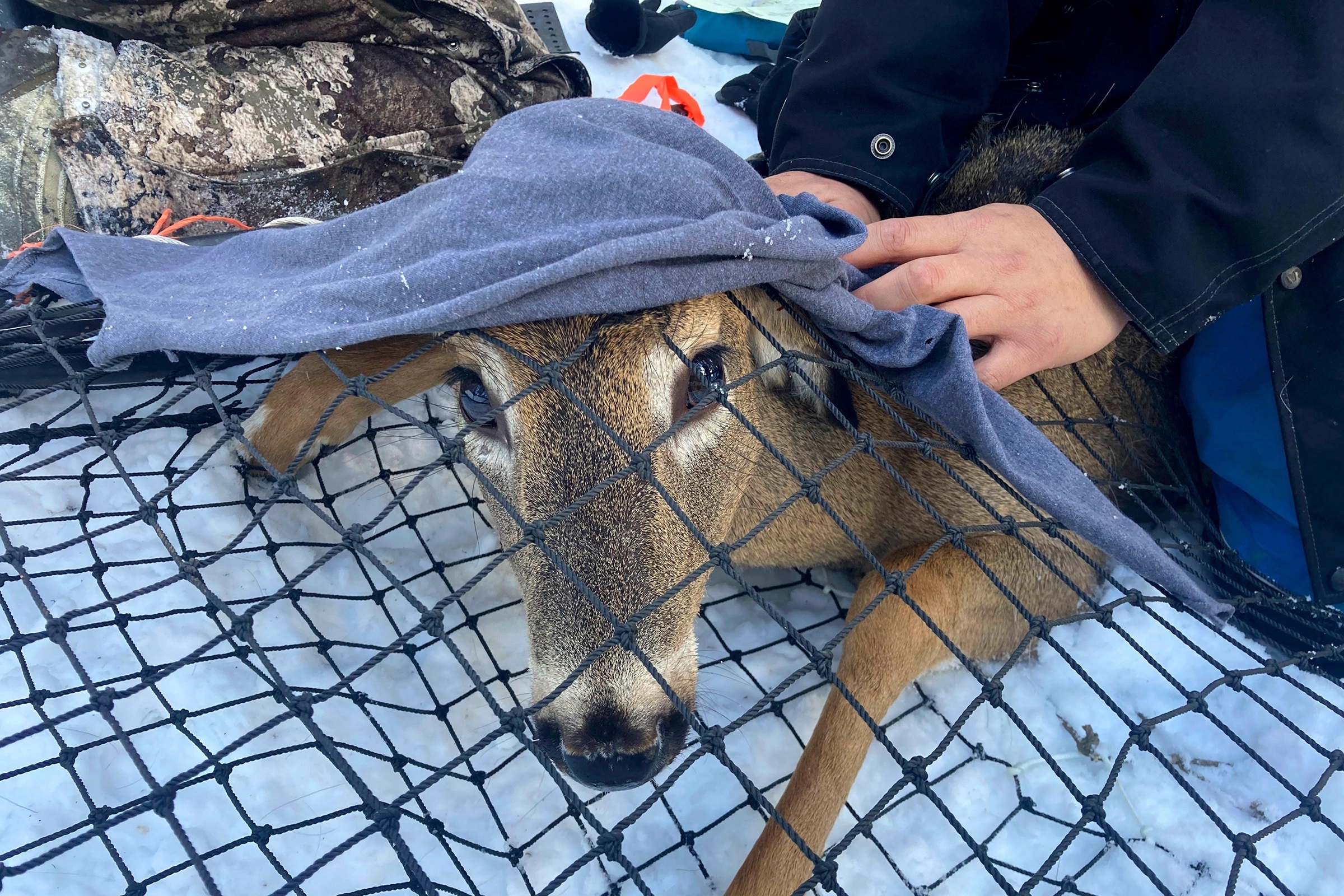
Why Researchers Are Still Testing Wild Animals for COVID-19
By LAURA UNGAR / AP for Time (Grand Portage, Minn.) — To administer this COVID test, Todd Kautz had to lay on his belly in the snow and worm his upper body into the narrow den of a hibernating black bear. Training a light on its snout, Kautz carefully slipped a long cotton swab into the…
News Topics:
COVID-19

The Covid cloud is starting to lift – but two years on, its legacy of grief lingers
PRI Associate Ashton Verdery was quoted in this story about the impacts of Covid-19 by The Guardian. Verdery created with colleagues a bereavement multiplier that estimates how many people in the US have lost a close relative to Covid. Given the paucity of historical demographic data for Hispanic…
News Topics:
COVID-19
COVID-19 and the mental health of essential workers
The Covid-19 pandemic has had a significant impact on mental health and well-being of the population as a whole, leading to large-scale lifestyle changes, social isolation, and increased stress. However, this has been especially pertinent to essential workers—facing high workloads, insufficient…
News Topics:
Insights from Experts
COVID-19
COVID-19 and gun violence increasing in PA
Pennsylvania saw a 38% increase in the rate of gun violence during the first year of the COVID-19 pandemic, which was higher than the national average. This observation is based on the recent peer-reviewed study that enabled Penn State researchers to assess the rates of gun violence…

Researchers to study COVID-19 effects on maternal, child health during pregnancy
The Pennsylvania Department of Health has awarded Penn State College of Medicine $3.9 million through May 2025 to study the impact COVID-19 has on pregnancy. The researchers will conduct a multi-site study to examine the health outcomes for pregnant women and their infants…

College students' sense of belonging related to mental health during pandemic
Among the many challenges that the COVID-19 pandemic has presented to the higher education community, one of the most serious is arguably the toll on college students’ mental health. Penn State researchers have found that students’ sense of belongingness in a higher education institution not only…
News Topics:
College of Education
COVID-19